Sadaf Restaurant
Difference Between Afternoon Tea and High Tea
The term "high tea" is often confused with afternoon tea outside
of Britain. Unlike the elegant afternoon tea, high tea refers to
a more substantial evening meal consumed by the working class
after a long day. It included hot dishes like meats, fish, and
casseroles, accompanied by bread and butter, and of course, a
pot of strong tea
In recent times, especially in places like Hong Kong, variations
such as "High Chayee" have emerged, blending traditional British
elements with local preferences. High Chayee typically combines
the concept of high tea with local teas and snacks, offering a
unique cultural fusion experience
The history of tea itself spans millennia, originating in
ancient China where it was first used as a medicinal drink. Tea
gradually spread across Asia and later to Europe, becoming an
integral part of cultural rituals and social gatherings,
evolving into the elaborate traditions of afternoon and high tea
as we know them today
The terms "High Tea" and "Afternoon Tea" are often used
interchangeably, but they refer to distinct traditions with
different social and cultural connotations.
High Tea:
Time: Typically served in the early evening, around 5-7 PM.
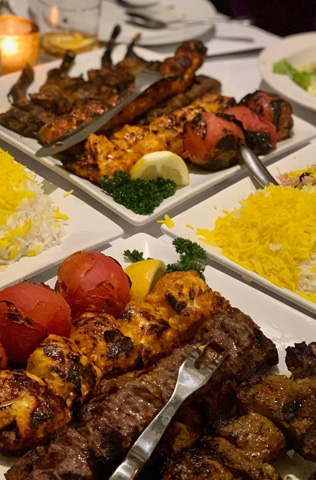
Menu: Includes hearty dishes like meats, pies, bread, cheese,
and strong tea. It’s a more substantial meal.
Origins: Rooted in the working-class traditions of England,
serving as a main meal after a long workday.
Afternoon Tea:
Time: Served in the mid-afternoon, usually between 3-5 PM.
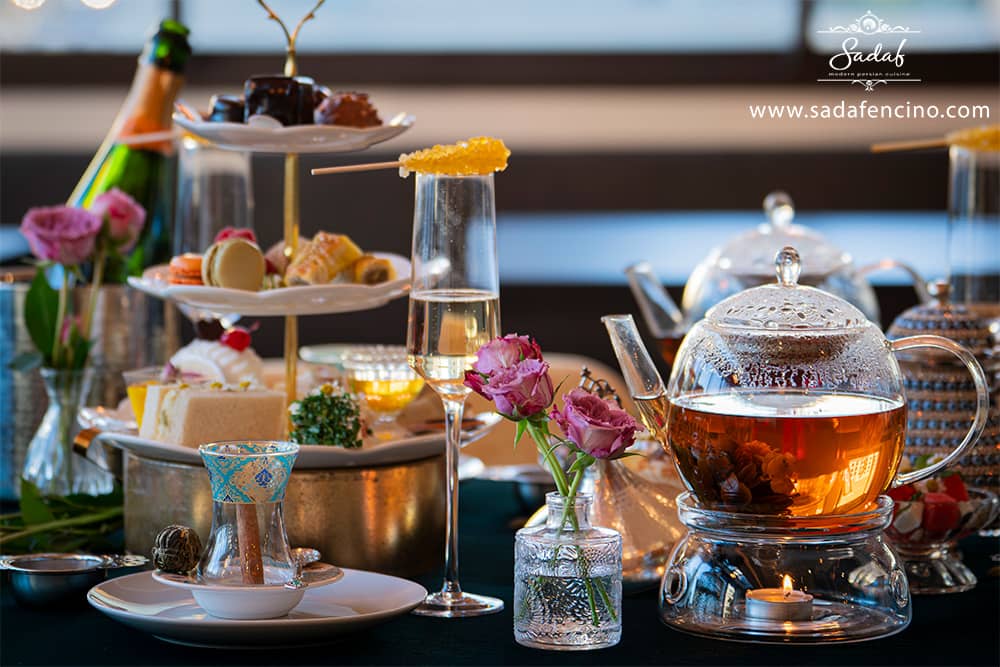
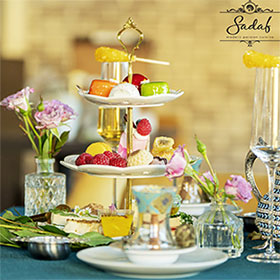
Menu: Features lighter fare such as finger sandwiches, scones
with clotted cream and jam, pastries, and a selection of
teas.
Origins: Introduced by the British aristocracy, specifically
attributed to Anna, the Duchess of Bedford, in the early 19th
century. It became a fashionable social event among the upper
class.